
A dolphin’s fin, a turtle briefly breaking the surface, birds above the mangroves: a Sian Ka’an boat trip can bring memorable wildlife encounters. It can also leave a hoped-for animal out of sight. Before booking a trip toward Punta Allen, it helps to understand what you might see, what depends on the route and what no guide can promise.
Dolphins, sea turtles and birds are among the wildlife you may look for. No sighting is guaranteed. Plan to explore their habitat and enjoy the encounters that happen, without pressing the boat crew to move closer.
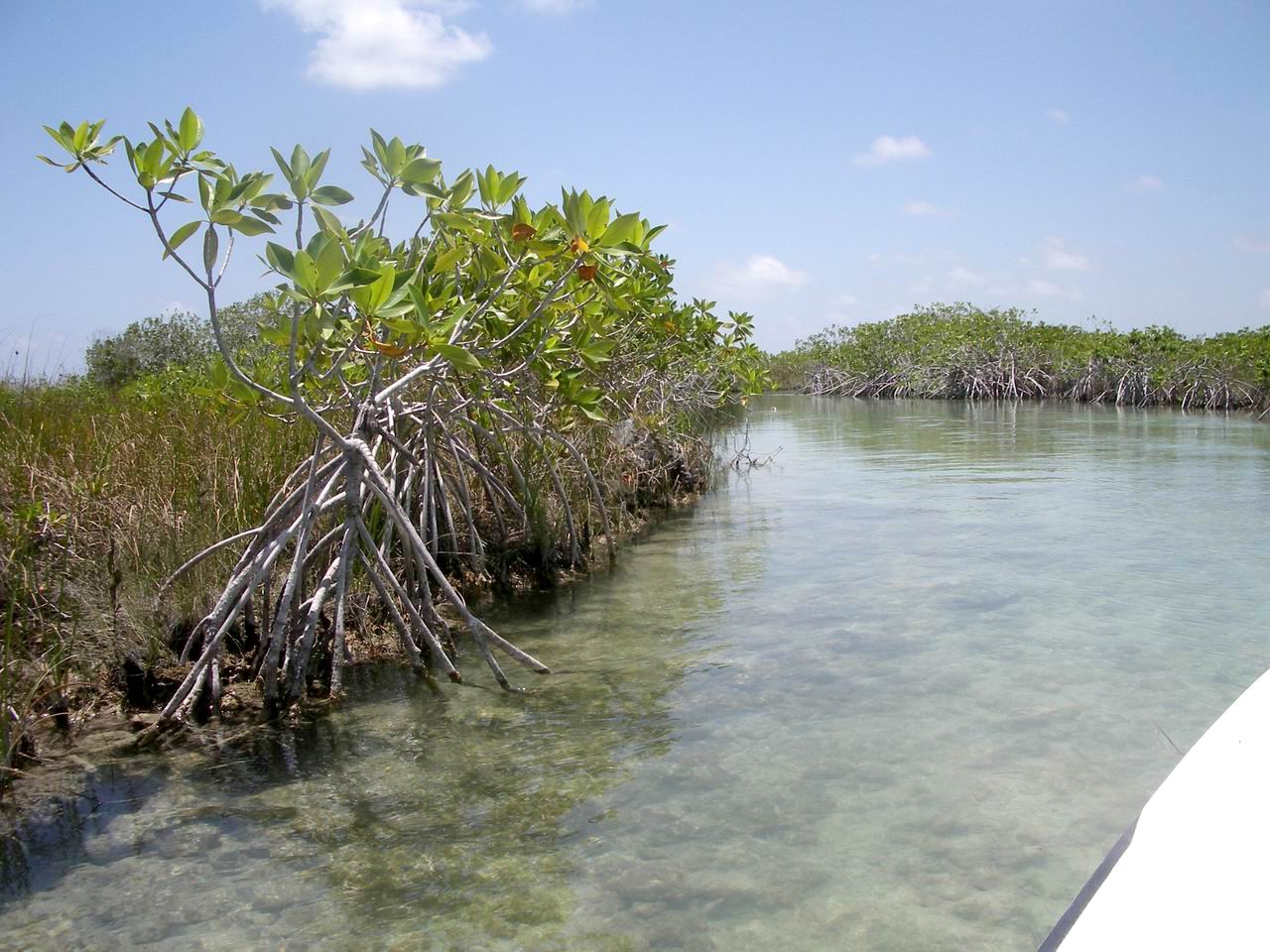
Which animals might you see on a Sian Ka’an boat trip?
Sian Ka’an includes mangroves, lagoons, seagrass beds and reefs, as described by UNESCO. An animal recorded within that wider landscape is not necessarily on your boat’s route. This guide focuses on expectations for a coastal trip toward Punta Allen. If you are still choosing an area, read our guide to Muyil and Punta Allen.
Dolphins: be ready for a glimpse
The common bottlenose dolphin appears in CONANP’s species inventory. A sighting should be enjoyed on the animal’s terms. A brief passage may be all you see; do not expect jumping, an approach to the boat or a close-up photograph.
When your guide points out an animal, look in that direction before reaching for your phone. Finding the right camera setting can cost you the whole glimpse. Stay in your place rather than rushing to the same side of the boat as everyone else.
Sea turtles: identification may take more than a quick look
CONANP’s Sian Ka’an visitor page lists green, hawksbill and loggerhead turtles among the reserve’s wildlife. That does not mean you should expect all three on a single trip, or a turtle on every departure.
A head at the surface or a shape beneath the water may be difficult to identify confidently. Ask what your guide could actually distinguish. An honest uncertainty is more useful than a species name attached to an indistinct photograph.
Birds: look beyond the water
Magnificent frigatebirds, brown pelicans and herons are documented in the Sian Ka’an management program. Ask your guide to point out birds as you travel instead of concentrating on a long checklist.
Scan the vegetation and sky as well as the water. Binoculars can be useful when the boat is steady; put them away when you need your hands to hold on during a moving section.
Crocodiles and manatees: keep expectations in perspective
CONANP lists American and Morelet’s crocodiles, while UNESCO records manatees in the reserve’s coastal waters. Their documented presence does not turn them into scheduled stops for every boat.
Do not ask for an extra detour or a closer approach just to complete your list. Equally, the reserve’s jaguars should not become an expectation for a marine excursion. A biodiversity inventory describes a place; it is not a visitor’s daily program.
Why two boat trips can produce different sightings
Your route covers only part of the habitat
Before comparing lists of animals, ask where the boat actually travels. The boarding point, planned route and possible stops matter more than a wildlife montage in a brochure. A Punta Allen excursion does not give access to the whole reserve.
It is also worth discussing how the day is divided. Is wildlife watching your priority, or are you equally interested in scenery, photography and any planned water activities? Explaining this helps you choose a suitable outing without turning your preference into a promised sighting.
Sea conditions and visibility matter
Wind, waves, glare and underwater visibility can make animals harder to spot. Keep boat-based watching separate from snorkeling, when the itinerary includes it. Seeing an animal at the surface does not mean entering the water there is appropriate or possible.
Ask what happens if navigation or an activity has to change: who confirms departure, how will you be contacted and which booking terms apply? A rain symbol on your phone is not a decision about whether the boat will operate.
No month guarantees wildlife
The official Atlantic hurricane season runs from June 1 to November 30. Those dates describe a seasonal weather pattern, not the conditions of your particular day or the animals you will encounter.
Be cautious about choosing a date solely because it is advertised as the best time to see everything. Once your vacation dates are fixed, allowing some flexibility and checking instructions close to departure are more practical steps.
Watching without disturbing is part of the experience
Field observations made in Sian Ka’an in 2018–2019 documented boats approaching dolphins too closely and chasing them. The research is a reason to take viewing practices seriously; it is not an assessment of every operator working today.
As a passenger, you can make a few straightforward choices:
- Let the captain manage the boat’s course and distance; do not request a maneuver that cuts off an animal.
- Do not use food, noise or gestures to attract wildlife or trigger a reaction.
- Do not touch animals or enter the water to follow them.
- Use your camera’s zoom rather than asking for a closer approach.
- Accept moving on, even if you have not taken the photograph you hoped for.
Before booking, ask: “What happens if several boats are already near the animals?” The answer tells you more about the proposed experience than a promise of spectacular photographs.
What to check before a Punta Allen boat trip
Make a short list: pickup location, boarding point, expected time on the road and water, included equipment, activities that depend on conditions, and the terms for changes. Confirm the guide’s language and participation requirements, particularly if children are traveling.
Bring drinking water as advised by the organizer, a waterproof bag for your phone, a hat that stays on and sun-protective clothing. CONANP’s visitor page says not to use sunscreen in the reserve, so plan your clothing accordingly and follow the instructions on site.
If you are concerned about comfort on a boat, ask before booking. Find out how boarding works and what any planned water entry involves. Choosing a format that suits you is more useful than comparing animal lists.
Practical questions
Do I need a telephoto lens?
No. A phone works for landscapes and wider views. If an animal is far away, accept a less detailed image rather than asking the crew to close the distance. Photography should not determine the approach.
How should I prepare children for wildlife watching?
First check that they meet the chosen tour’s participation requirements. Then present the day as an exploration: invite them to notice shapes, colors and behavior without promising a dolphin. Confirm suitable life jackets and the onboard instructions with the organizer.
What should I ask if wildlife is my main interest?
Ask how much of the itinerary is devoted to observation and how the guide explains the habitats along the way. A clear description of the day is more valuable than a promised species count.
Choose an itinerary with clear expectations
To discuss a private Sian Ka’an outing, start with VivaOhlala’s private excursions. Ask the team to confirm the available format, boat arrangements, guide language and full quote for your date. Request English-language guiding explicitly and wait for confirmation before booking. Wildlife encounters remain subject to nature and conditions on the day.